

Project management is often associated with timelines, task lists, meetings, deadlines, and reports. While these are important parts of managing a project, they are only one piece of the bigger picture.
A successful project is not simply one where every task is marked “Completed.” It is one where the team delivers the intended outcome, stakeholders remain aligned, risks are managed, and the solution actually creates value.
As projects become increasingly technical and teams become more distributed, the role of a Project Manager has evolved significantly.
Project Management Starts With Clarity
One of the biggest challenges in any project is not necessarily the complexity of the work. It is the lack of clarity.
Before a project moves into execution, the team should have a shared understanding of:
- What are we trying to achieve?
- Why does the project matter?
- What needs to be delivered?
- Who is responsible for each area?
- What are the key deadlines?
- What could prevent us from succeeding?
When these questions are not clearly answered, teams can spend considerable time working hard without necessarily moving in the right direction.
A Project Manager helps turn a broad objective into a structured plan that the team can understand and execute.
A Project Manager Connects People and Technology
This becomes even more important in technical projects.
A Project Manager working on a cloud migration, cybersecurity initiative, software implementation, or digital learning project does not necessarily need to be the person writing the code or configuring the infrastructure.
However, they need to understand enough about the technology to ask the right questions, identify dependencies, communicate effectively with technical teams, and explain technical issues to non-technical stakeholders.
This ability to connect technical teams, business stakeholders, clients, and leadership is one of the most valuable aspects of technical project management.
The Project Manager becomes the bridge between what the technology can do and what the organization needs to achieve.
Managing Risks Before They Become Problems
Projects rarely go exactly according to plan.
A key dependency may be delayed. A stakeholder may change requirements. A technical issue may affect the timeline. Feedback may arrive later than expected. A resource may suddenly become unavailable.
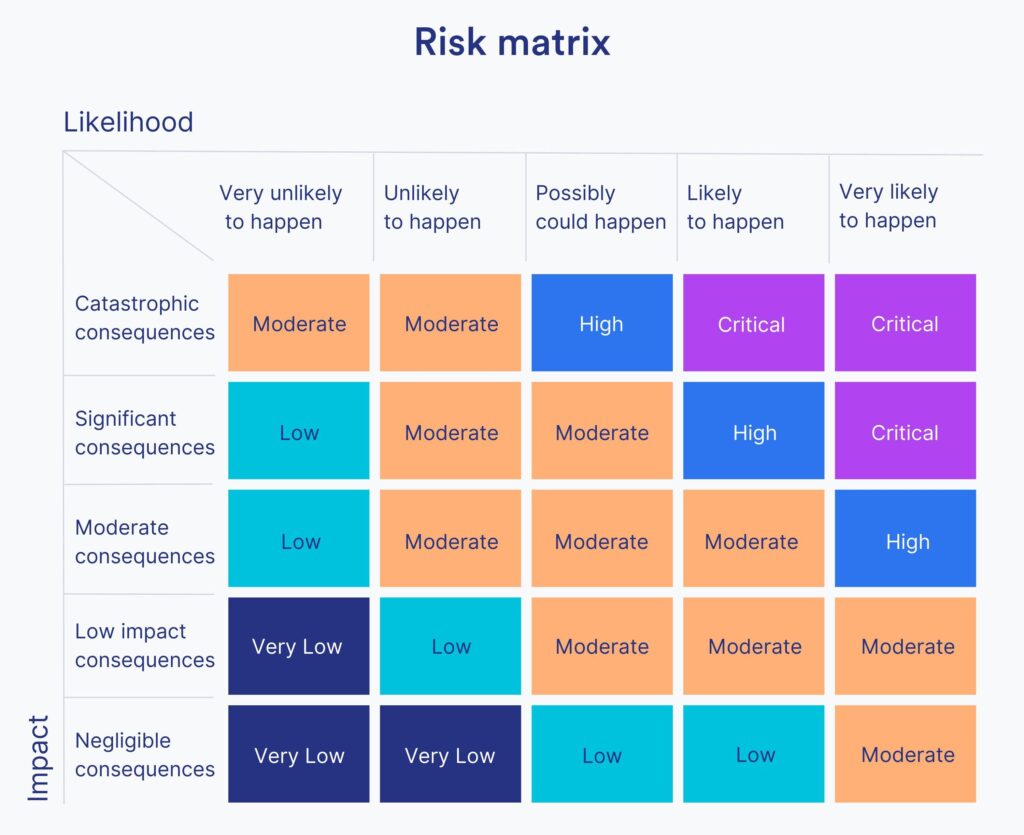
Good project management does not mean preventing every problem.
It means identifying potential problems early and preparing for them.
For example, instead of waiting until a missed dependency affects a delivery date, a Project Manager can identify the dependency during planning, assign an owner, establish a deadline, and monitor it throughout execution.
This changes the conversation from:
“We have a problem.”
to:
“We identified this risk early, and here is how we are managing it.”
Communication Is Part of Delivery
A project can have a strong plan and still fail because communication breaks down.
Different stakeholders need different information.
A technical team may need detailed requirements and dependencies. Senior management may need progress, risks, and decisions. A client may need clear updates on deliverables and timelines.
The Project Manager’s role is not simply to communicate more.
It is to communicate the right information, to the right people, at the right time.
Clear communication helps reduce misunderstandings, manage expectations, and keep everyone moving toward the same objective.
Tools Support Project Management
Project management tools such as Microsoft Project, Microsoft Planner, Jira, Confluence, and Monday.com can make planning, tracking, documentation, and collaboration significantly easier.
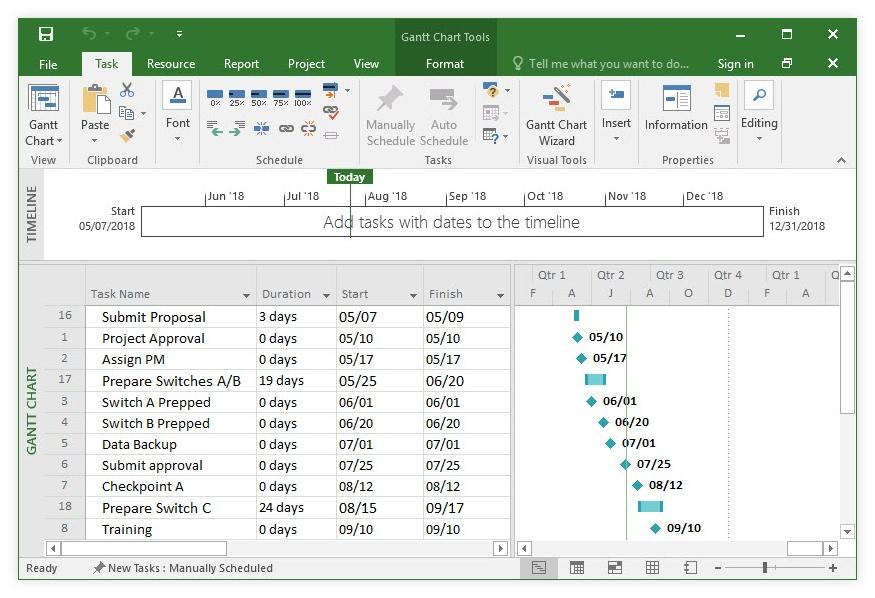
But a tool does not manage a project by itself.
You can have a beautifully designed project board and still have:
- unclear responsibilities;
- unrealistic deadlines;
- unresolved risks;
- poor stakeholder communication;
- constantly changing requirements.
The tool provides visibility.
The Project Manager provides the structure, decisions, coordination, and follow-through behind that visibility.
Successful Delivery Requires More Than Meeting the Deadline
Imagine a project that is delivered on time but does not meet the client’s requirements.
Was it successful?
Or a project that meets the technical requirements but exceeds the approved budget significantly.
Was it successful?
This is why project success should not be measured by the schedule alone.
A Project Manager needs to consider the relationship between scope, time, cost, quality, resources, risks, stakeholders, and the intended business outcome.
The goal is not simply to finish.
The goal is to deliver something that works for the people and organization it was intended to serve.
The Human Side of Project Management
Behind every project plan are people.
People have different working styles, priorities, levels of technical knowledge, expectations, and concerns.
A Project Manager therefore needs more than planning skills. They need the ability to listen, facilitate conversations, resolve conflicts, build trust, and keep people focused when challenges arise.
Sometimes the most important project management activity is not updating a task.
It is having the right conversation.

Conclusion
Project management is much more than managing tasks and checking deadlines.
It is about creating clarity, connecting people, managing uncertainty, communicating effectively, and keeping the project focused on its intended outcome.
For technical projects especially, the ability to understand both technology and people can make a significant difference.
The tools may help you organize the work.
The plan may help you understand the path.
But effective project management is what helps bring the people, technology, and objectives together to actually deliver.
That is what makes project management more than task management.